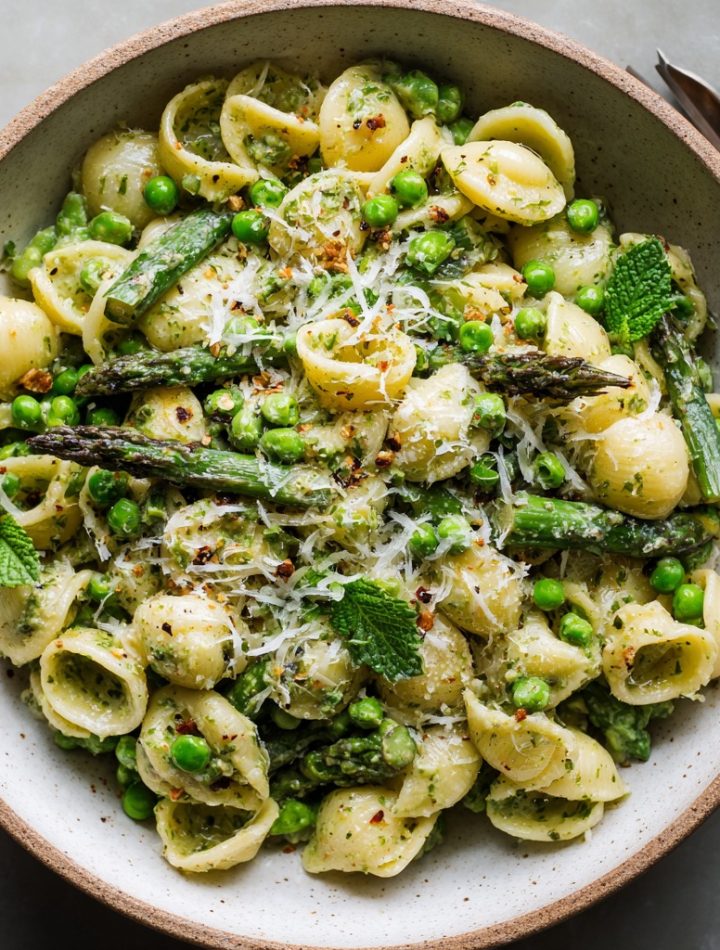
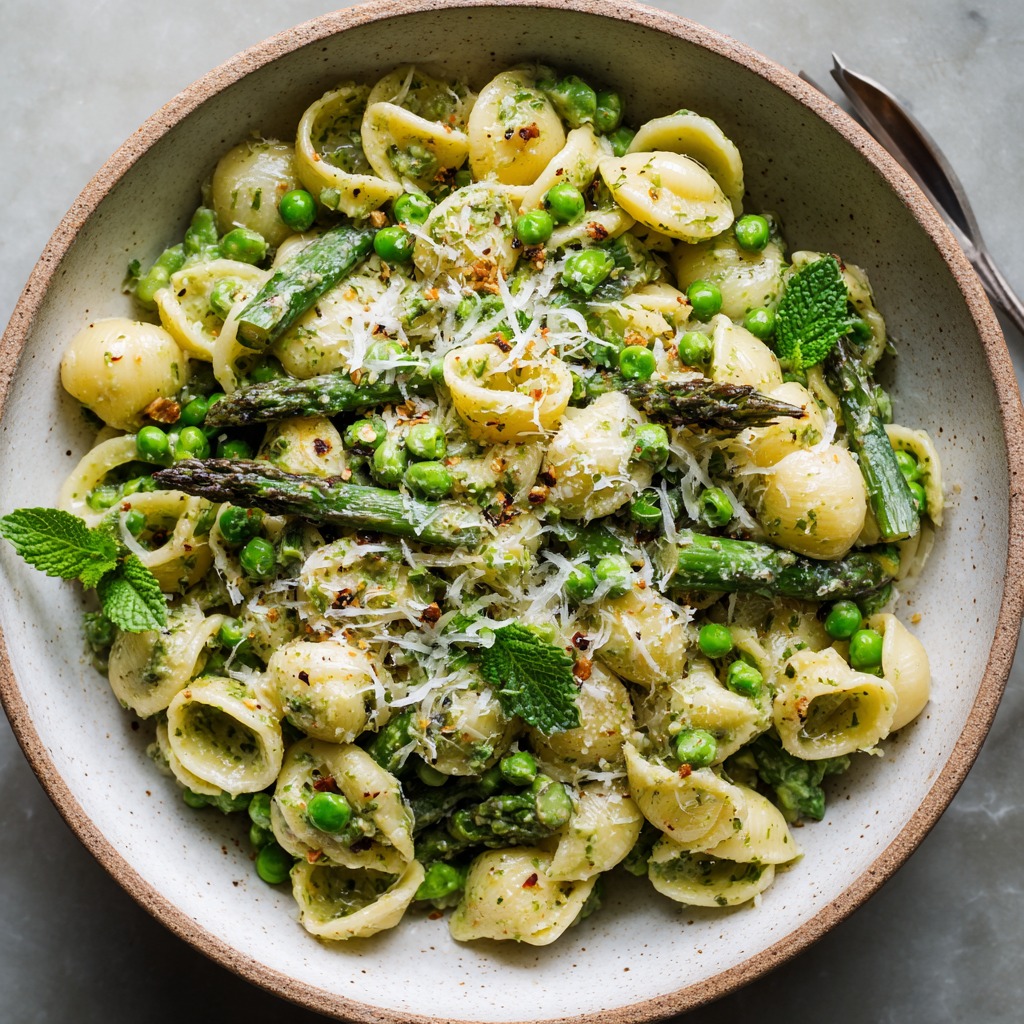
Spring Green Pasta: Your Bowl of Sunshine on a Plate
Hey there, friend! Can you feel it? That little shift in the air, the extra hour of golden light in the evening, and the sudden, undeniable craving for food that tastes like sunshine? I don’t know about you, but after months of hearty stews and cozy roasts, my taste buds are practically screaming for something bright, fresh, and vibrantly green. They want to celebrate. And that’s exactly what this Spring Green Pasta is: a full-blown, confetti-throwing celebration of the season.
This isn’t just another pasta recipe. This is your secret weapon for turning a standard Tuesday into something special. It’s the dish you make when you bring home the very first, slightly overpriced but absolutely worth-it bunch of asparagus from the farmers’ market. It’s what you crave after a long day when you want something that feels nourishing and indulgent all at once—without spending all night in the kitchen. We’re talking sweet peas, crisp-tender asparagus, a generous shower of sharp cheese, and the magic twin powers of lemon and fresh mint. It’s creamy without being heavy, elegant without being fussy, and it comes together in the time it takes to boil water. So, tie on your favorite apron, put on a good playlist, and let’s make a bowl of pure, unadulterated spring joy together.
Print
Spring Green Pasta : A Fresh Bowl of Bright, Seasonal Flavor
- Total Time: 25 minutes
- Yield: 2–3 1x
Description
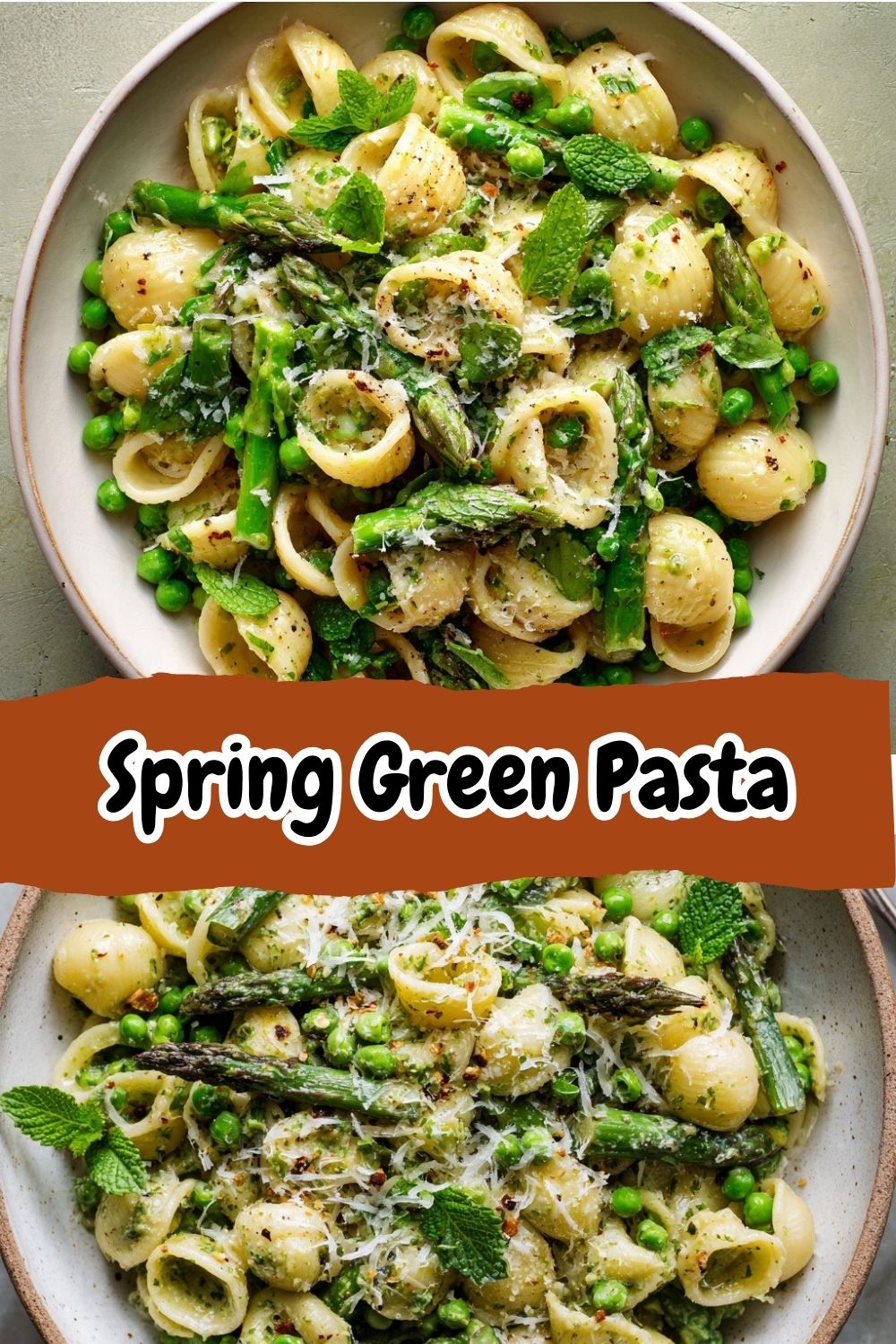
This Spring Green Pasta is everything you want in a light, feel-good meal—vibrant veggies, fresh herbs, and just the right amount of creamy, cheesy richness. Asparagus and peas bring the crunch and sweetness, mint adds a cool twist, and lemon brightens every bite. Finished with salty, sharp pecorino, this pasta tastes like spring in a bowl. It’s fast, fresh, and perfect for lunch, picnics, or a simple weeknight dinner.
Ingredients
8 oz pasta (orecchiette, penne, or your favorite short pasta)
1 cup fresh or frozen peas
1 bunch asparagus, trimmed and cut into 1-inch pieces
2 tablespoons olive oil
Zest and juice of 1 lemon
¼ cup chopped fresh mint
½ cup grated pecorino cheese (plus more for topping)
Salt and black pepper, to taste
Optional: a pinch of red pepper flakes
Instructions
Cook the Pasta and Veggies
Bring a large pot of salted water to a boil. Cook pasta according to package instructions. In the last 2–3 minutes of cooking, add asparagus and peas to the pot. Drain everything together and reserve a bit of pasta water.
Toss with Flavor
Return the pasta and veggies to the pot or a large bowl. Add olive oil, lemon zest and juice, and half the pecorino. Toss until coated, adding reserved pasta water a little at a time to create a light sauce.
Add Herbs and Finish
Fold in chopped mint, season with salt and pepper, and top with remaining pecorino. Add red pepper flakes for gentle heat if desired.
Serve Warm or Cold
This dish shines hot off the stove or chilled as a pasta salad. Top with extra mint or a squeeze of lemon just before serving.
- Prep Time: 10 mins
- Cook Time: 15 mins
- Category: Dinner
The Little Green Victories
This recipe always takes me back to my grandma’s postage-stamp sized backyard garden. She had two towering rhubarb plants, a stubborn rosemary bush, and, without fail, a tangled, enthusiastic row of sugar snap peas climbing a wobbly trellis made of old fishing net. My job, as the “official taste-tester,” was to patrol the row and report on readiness. This, of course, meant eating most of the evidence straight from the vine. The sound of that crisp snap, the burst of sweet juice… it was my first understanding of what “seasonal” really means. It’s not a label; it’s a feeling.
She’d toss those precious peas, along with whatever else was shining at the market, into a simple pasta for our Sunday lunches. It was never measured, always a little different, but it was the taste of late April. That’s the spirit I channel every time I make this dish. It’s about capturing that little victory of the season, that first perfect bite of green, and turning it into a meal that makes you close your eyes and just smile. It’s a hug from the garden, via your pasta bowl.
Gathering Your Flavor Allies
Here’s the beautiful part: the ingredient list is short, sweet, and designed for flexibility. This is about quality, not quantity. Let’s break it down:
- 8 oz pasta (orecchiette, penne, or fusilli): I’m a sucker for orecchiette (“little ears”) here—they cup the peas and cheese perfectly! But use what you love. Chef Insight: Choosing a short, sturdy shape means every forkful gets a bit of everything.
- 1 cup fresh or frozen peas: No shame in the frozen game! In fact, frozen peas are often flash-frozen at peak sweetness and are a fantastic, year-round shortcut. If using fresh, give them a quick blanch.
- 1 bunch asparagus, trimmed and cut into 1-inch pieces: Look for firm, bright green spears with tight tips. To trim, just bend one spear near the end; it will snap naturally at the tough part. Do that once, then line up the rest and cut at the same spot!
- 2 tablespoons good olive oil: This is the base of our “sauce,” so use one you like the taste of. A fruity, peppery extra virgin olive oil is your best friend here.
- Zest and juice of 1 lemon: Non-negotiable sunshine alert! Zest it first (just the bright yellow part, avoid the bitter white pith), then juice it. This one-two punch gives layers of citrusy perfume and tangy brightness.
- ¼ cup chopped fresh mint: The surprise guest! Mint is spring’s herbal mascot. It lightens everything up and makes the flavors sing. If you’re skeptical, trust me—start with half and you’ll add the rest.
- ½ cup grated Pecorino Romano cheese (plus more for topping): Pecorino’s salty, sharp, sheep’s-milk punch is ideal. Substitution Tip: Parmesan (Parmigiano-Reggiano) works beautifully if it’s what you have, but Pecorino is a bit saltier and more robust.
- Salt and black pepper, to taste: Your foundational flavor adjusters. We’ll use them in the pasta water and again at the end.
- Optional: a pinch of red pepper flakes: My personal favorite add-in! Just a pinch adds a gentle, warm hum in the background that plays so nicely with the lemon and cheese.
Let’s Get Cooking: The Flavor Wave, Step-by-Step
Ready to ride the wave? This process is as satisfying as the first bite. We’re building layers of flavor with minimal effort and maximum payoff.
- The Big Boil: Fill your largest pot with water—give your pasta plenty of room to swim! This is your one chance to season the pasta itself, so salt that water generously. It should taste like the sea. Bring it to a rolling boil. Chef Hack: Putting the lid on helps it boil faster. Science!
- Pasta Party, with Guests: Add your pasta to the boiling water and cook according to the package directions for al dente (it should have a slight bite to it). Now, here’s the genius move: about 2-3 minutes before the pasta is done, add the asparagus and peas directly to the pot. Why? We cook the veggies in the same water, saving time and dishes, AND the starchy pasta water becomes our secret sauce ingredient. Everything gets infused with flavor.
- The Great Rescue: Just before you drain it all, grab a mug or measuring cup and scoop out about ½ to 1 cup of that precious, starchy pasta water. This liquid gold is key to bringing our sauce together. Now, drain the pasta and veggies.
- The Toss & The Gloss: Return the drained pasta and veggies to the warm pot (off the heat) or to a big mixing bowl. Immediately drizzle in the olive oil and add the lemon zest, lemon juice, and about half of the grated Pecorino. Now, start tossing! Get everything coated. It might look a little dry at first—this is where you play hero with the reserved pasta water. Add a splash (start with ¼ cup) and keep tossing. You’ll see it start to create a creamy, glossy, light sauce that clings to every nook and cranny. Add more water if needed until it looks luscious.
- The Fresh Finish: Once your sauce is silky, fold in most of the chopped mint (save a little for garnish!) and season with freshly cracked black pepper. Give it a taste—does it need a pinch more salt? A final squeeze of lemon? Adjust to your heart’s content. This is your masterpiece.
- Plate It Pretty: Divide the pasta among bowls or plates. Top with the remaining Pecorino, the saved mint, and that optional pinch of red pepper flakes for a bit of warmth. A final drizzle of olive oil never hurt anybody, either.
How to Serve This Sunshine
This pasta is incredibly versatile. Serve it straight from the pot, warm and comforting, for a quick weeknight win. For a more substantial meal, pair it with a simply grilled chicken breast or a piece of seared salmon. Want to impress at a picnic or potluck? Let it cool to room temperature or chill it—it transforms into the most incredible pasta salad you’ve ever had. No matter how you serve it, a simple green salad with a lemony vinaigrette and a crusty baguette for mopping up any saucy goodness is always the right move. A glass of crisp Sauvignon Blanc or Pinot Grigio? Chef’s kiss.
Make It Your Own: Flavor Twists & Swaps
The beauty of this recipe is its adaptability. Ride the flavor wave in a new direction!
- Protein Power: Stir in a can of drained, flaked tuna or a handful of cooked, shredded rotisserie chicken for a more filling meal. Crispy pancetta or prosciutto bits added with the oil are also divine.
- Herb Garden Remix: Swap the mint for fresh basil, dill, or chives, or use a combination! Each brings a totally different personality.
- Creamy Dreamy: For an extra-rich version, stir in a couple of tablespoons of mascarpone, ricotta, or cream cheese when you add the oil and lemon.
- Vegan Voyage: Skip the Pecorino and use a vegan parmesan alternative, or lean into a nutty flavor with ¼ cup of nutritional yeast. The sauce will still be fantastic from the starchy water and lemon.
- More Veg, Please! Add thinly sliced zucchini or yellow squash with the asparagus. A handful of baby spinach or arugula tossed in at the very end wilts beautifully.
Isla’s Kitchen Notes
I’ve lost count of how many times I’ve made this recipe. It’s evolved from my grandma’s “a bit of this and that” method to this more structured guide, but the soul is the same. One hilarious kitchen fail early on? I once zested the lemon directly over the pot… and my entire microplane grater fell in! We fished it out and called it “extra metallic zest.” Not recommended. Now I zest onto a cutting board.
The biggest lesson? Don’t skip the pasta water. It’s the magic that turns a pile of ingredients into a cohesive, restaurant-worthy dish. And always, always taste as you go. Your palate is the ultimate guide. Maybe you’re a lemon fiend (hello, friend!) or a cheese fanatic—adjust and make it yours. That’s what real cooking is all about.
Your Questions, Answered
Q: My veggies got mushy! What happened?
A: Ah, the classic over-zealous boil. Remember, we’re only adding them for the *last* 2-3 minutes of the pasta’s cook time. They cook fast! If your pasta has a 10-minute cook time, add the veggies at the 7-minute mark. They should be bright green and tender-crisp.
Q: The sauce seems too watery/thick. Help!
A> Perfecting the sauce is all about the pasta water balance. Too thick? Add more reserved water, a tablespoon at a time, while tossing vigorously. Too watery? Let it sit for a minute—the pasta will absorb some liquid. You can also add a bit more grated cheese, which will help thicken it and add flavor.
Q: Can I make this ahead of time?
A> Absolutely! For a cold pasta salad, make it, let it cool, and chill for up to 24 hours. The flavors meld beautifully. If serving warm, you can prep the veggies and cheese ahead. I don’t recommend cooking the pasta too far in advance, as it’s best fresh. But for a quick reheat, add a tiny splash of water when warming leftovers to revive the sauce.
Q: What’s the best substitute for Pecorino?
A> Parmesan (Parmigiano-Reggiano) is the closest in texture and meltability. It’s a bit less salty and sharp, so you may want to add an extra pinch of salt. A good aged Asiago could also work in a pinch!
Nutritional Information*
*Please note: This is an approximate estimate calculated using an online nutrition tool. Values will vary based on specific ingredients and portion sizes.
Per Serving (based on 3 servings): Calories: 360 | Protein: 14g | Carbohydrates: 48g | Fat: 14g | Fiber: 6g | Sugar: 4g