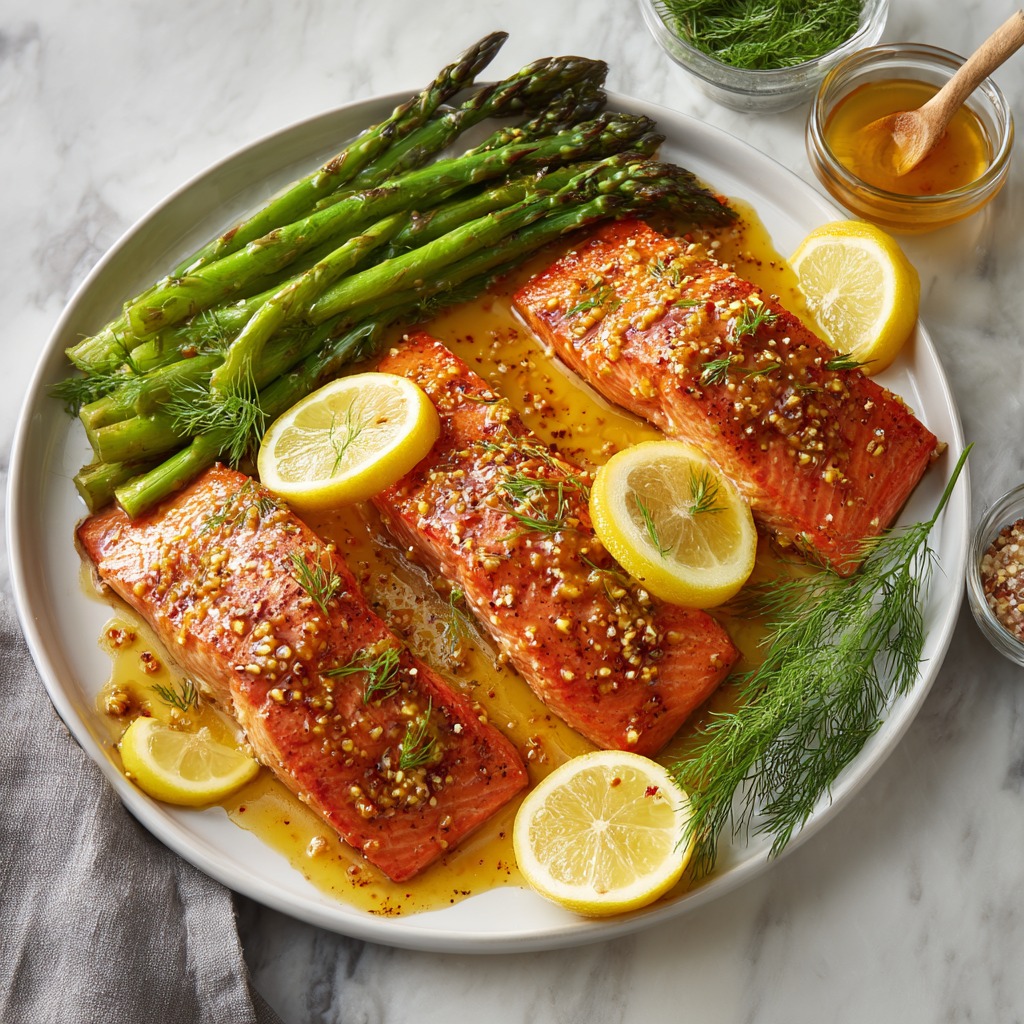
 Honey-Mustard Baked Salmon: Your New Favorite Flavor Wave
Hey there, friend! Isla here, from my cozy kitchen to yours. Let me paint you a picture: It’s been a full day, the sun is starting to dip, and your stomach is gently rumbling with that “what’s for dinner?” question. You want something that feels special—maybe even a little elegant—but you absolutely do not have the time or energy for a culinary marathon. Sound familiar? That, my fellow flavor fanatic, is precisely the moment this Honey-Mustard Baked Salmon swoops in to save the day.
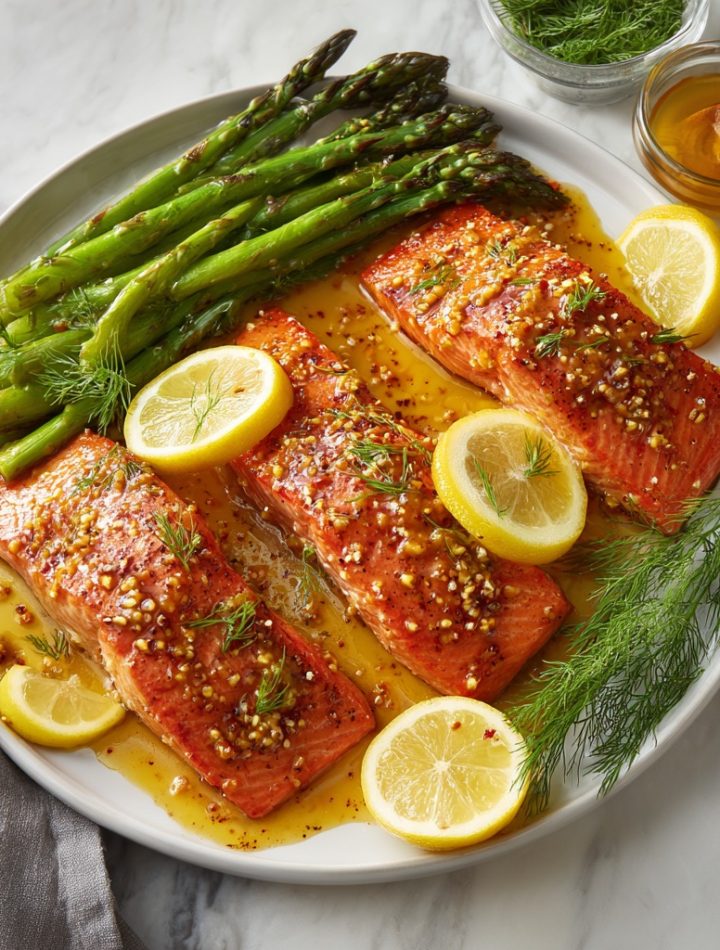
Imagine this: tender, flaky salmon fillets, each wearing a glossy, sticky-sweet, tangy-tart coat of pure deliciousness. It’s a dish that whispers “weeknight warrior” but shouts “dinner party star” from the rooftops. The magic is in that simple, four-ingredient glaze. Honey and Dijon mustard do a beautiful little dance together, creating a flavor that’s both comforting and exciting. It caramelizes in the oven, forming the most irresistible top layer while keeping the fish underneath impossibly moist and rich in those gorgeous omega-3s.
This isn’t just a recipe; it’s your ticket to a stress-free, hugely satisfying meal. Whether you’re planning a beautiful Easter or spring gathering, cooking a romantic dinner for two, or just treating yourself to a nourishing solo feast, this salmon delivers. It’s gluten-free, low in carbs, and comes together in about 25 minutes flat. So, tie on your apron, grab your favorite baking sheet, and let’s ride this sweet, tangy, elegant flavor wave together. I promise, the happy dance you’ll do when you pull it from the oven is 100% guaranteed.
Print
Honey-Mustard Baked Salmon (Sweet-Tangy, Omega-3 Rich & Elegant)
- Total Time: about 25 minutes
- Yield: 4 servings 1x
Description
This Honey-Mustard Baked Salmon is sweet, tangy, and effortlessly elegant—perfect for Easter dinner or any spring gathering. A glossy honey-mustard glaze coats tender salmon fillets, creating a dish that feels special while staying simple and nourishing. It’s rich in omega-3s, quick to prepare, and always a crowd-pleaser.
Ingredients
4 salmon fillets (4–6 oz each)
2 tbsp Dijon mustard
1½ tbsp honey
1 tbsp olive oil
1 tbsp fresh lemon juice
1 clove garlic, minced
Salt and black pepper, to taste
Optional garnish: fresh dill or parsley, lemon slices
Instructions
Preheat oven to 400°F (205°C) and line a baking sheet with parchment paper.
In a small bowl, whisk together Dijon mustard, honey, olive oil, lemon juice, garlic, salt, and pepper.
Place salmon fillets on the prepared baking sheet and pat dry.
Spoon or brush the honey-mustard glaze generously over each fillet.
Bake for 12–15 minutes, until salmon flakes easily with a fork.
Optional: broil for 1–2 minutes at the end for a lightly caramelized top.
Garnish with fresh herbs and lemon slices before serving.
- Prep Time: 10 mins
- Cook Time: 15 mins
- Category: Dinner
Nutrition
- Calories: 280–320 calories per serving
- Carbohydrates: 6–8g
- Protein: 30–34g
The Coastal Kitchen Memory That Inspired This Dish
This recipe always takes me right back to my childhood kitchen, with the smell of salt air drifting through the window. My dad, a man of few words but incredible patience, taught me how to cook fish. Our family didn’t have much, but what we did have was access to the most stunningly fresh seafood. I remember one blustery afternoon, he came home with a beautiful, wild-caught salmon he’d traded a neighbor for. “The simpler, the better,” he’d say, his hands deftly checking the flesh.
He showed me how a little sweetness could balance the rich oiliness of the fish. Back then, it was just a slap of mustard from a jar and a drizzle of local honey, mixed right on the plate. We’d bake it until the kitchen filled with that unmistakable, mouthwatering aroma. It was our “fancy” dinner, even on a Tuesday. That lesson—that a few humble, high-quality ingredients could create pure magic—stuck with me. This Honey-Mustard Glaze is my grown-up, slightly fancier tribute to those afternoons: a way to make an ordinary day feel like a coastal celebration, no matter where you are.
Gathering Your Flavor Makers
Here’s everything you need to create this simple masterpiece. I’ve included my favorite chef insights and swaps so you can make it your own with what you have on hand!
- 4 salmon fillets (4–6 oz each): This is your star! I prefer skin-on for extra moisture and flavor, but skinless works beautifully too. Look for fillets that are bright in color and smell fresh, like the ocean, not fishy. Chef’s Insight: If using frozen, thaw completely in the fridge overnight and pat very dry—this is the secret to a good sear from the glaze.
- 2 tbsp Dijon mustard: Our tangy anchor. Dijon has a smooth, sharp complexity that plain yellow mustard can’t match. It cuts through the richness of the salmon and honey perfectly. Sub Tip: Whole-grain mustard is a fantastic swap for a more rustic, textured glaze.
- 1½ tbsp honey: Nature’s sweet glue! It caramelizes under heat, creating that gorgeous lacquered finish. Chef’s Insight: For a deeper flavor, try using maple syrup. For a sugar-free version, a good sugar-free maple syrup works in a pinch.
- 1 tbsp olive oil: This helps the glaze emulsify into a silky sauce and promotes even browning. Sub Tip: Avocado oil or melted butter would be lovely here too.
- 1 tbsp fresh lemon juice: The bright, fresh burst that lifts all the other flavors. Please, please use fresh! Bottled juice just doesn’t have the same vibrant pop. Chef’s Insight: Zest the lemon first and add it to the glaze for an extra layer of citrus perfume.
- 1 clove garlic, minced: Our savory backbone. Just one clove adds a warm, aromatic depth without overpowering. Sub Tip: A ¼ tsp of garlic powder can work in an absolute pinch.
- Salt and black pepper, to taste: The essential flavor enhancers. Don’t be shy with the pepper—its warmth pairs amazingly with the sweet honey.
- Optional garnish: fresh dill or parsley, lemon slices: This isn’t just for looks! Fresh herbs add a final note of freshness that makes the whole dish sing.
Let’s Get Cooking: Your Simple, Flawless Steps
Ready? This is where the fun happens. Follow these steps, and you’ll have a restaurant-worthy dish with minimal fuss.
- Preheat & Prep: Fire up your oven to 400°F (205°C). While it heats, line a baking sheet with parchment paper. Chef’s Hack: Lining the sheet isn’t just for easy cleanup (though that’s a huge win!). It prevents the sweet glaze from sticking and burning onto the pan, which can create a bitter smoke. Foil works too, but parchment is my non-stick hero.
- Whisk the Magic Glaze: In a small bowl, add your Dijon mustard, honey, olive oil, fresh lemon juice, minced garlic, a good pinch of salt, and a few cracks of black pepper. Now, whisk it like you mean it! You’re looking for a smooth, homogenous, glossy sauce. Chef’s Tip: Taste it right now. Yes, with a spoon! This is your chance to adjust the balance. Want more tang? Add a touch more mustard. More sweet? A tiny drizzle more honey. Make it yours.
- Salmon Prep is Key: Place your salmon fillets on the prepared baking sheet. Now, take a paper towel and gently but thoroughly pat the tops of the fillets dry. This step is non-negotiable! A dry surface means the glaze will cling beautifully and caramelize instead of sliding off a wet fish.
- Glaze Like a Pro: Using a spoon or a pastry brush, coat the top and sides of each fillet generously with the honey-mustard mixture. I like to use the back of the spoon to spread it evenly, ensuring every nook and cranny is covered. Little Kitchen Story: My grandma always said, “Don’t be stingy with the good stuff.” She was right. Pour that flavor on!
- Bake to Perfection: Slide the baking sheet into your preheated oven. Bake for 12-15 minutes. The exact time will depend on the thickness of your fillets. You’ll know it’s done when the salmon flakes easily with a fork at its thickest part and has turned opaque all the way through. Chef’s Hack: For those gorgeous, caramelized edges and top, switch your oven to BROIL for the last 1-2 minutes. Watch it like a hawk! The glaze can go from golden to burnt in seconds under the broiler.
- Rest & Garnish: Once out of the oven, let the salmon rest on the pan for about 3 minutes. This allows the juices to redistribute, keeping it succulent. Then, transfer to plates, garnish with a sprinkle of fresh dill or parsley and a few thin lemon slices. The heat from the fish will release the herb’s oils and the lemon’s scent—it’s the final act of flavor magic.
How to Plate Your Beautiful Creation
Presentation is that little extra touch that makes a meal feel special! I love serving this salmon atop a fluffy bed of lemon-herb quinoa or creamy mashed potatoes to soak up any extra glaze. For a low-carb spring vibe, pair it with a simple arugula salad tossed in a light lemon vinaigrette and some roasted asparagus spears. Place the salmon fillet slightly off-center on the plate, drizzle any pan juices around, and let those bright green herbs and yellow lemon slices provide the pop of color. It’s elegant, effortless, and guaranteed to impress.
Ride a Different Flavor Wave: 5 Tasty Twists
Love the base recipe? Try these fun spins to keep things exciting!
- Spicy Sriracha Kick: Whisk 1-2 teaspoons of sriracha into the glaze for a sweet-heat situation that’s absolutely addictive.
- Herb Garden Glaze: Add 1 tablespoon of finely chopped fresh rosemary or thyme to the glaze mixture before baking. It smells like a cozy cottage garden.
- Pecan-Crusted: After glazing, press a handful of finely chopped pecans onto the top of each fillet before baking. The nutty crunch is divine.
- Asian-Inspired: Replace the Dijon with 1 tbsp of soy sauce or tamari (for gluten-free) and add ½ tsp of grated fresh ginger to the glaze. Serve with sesame seeds and green onions.
- Creamy Mustard Sauce: For a richer dish, stir 2 tablespoons of Greek yogurt or mayonnaise into the glaze. It creates a creamier, more decadent coating.
A Few More Thoughts From My Kitchen
This recipe has been my weeknight wing-woman for years, and it’s evolved in the best ways. I used to be afraid of overcooking salmon, so I’d pull it out too early. My advice? Invest in a simple instant-read thermometer. Perfect salmon is 125°F at the thickest part for medium-rare, or 135°F for fully opaque and flaky. It takes the guesswork out completely!
One funny fail? I once decided to “marinate” the salmon in the glaze for hours. Big mistake! The acid in the lemon and mustard started to “cook” the surface of the fish (ceviche-style), resulting in a weird, mushy texture after baking. Lesson learned: just glaze and bake. No need to overcomplicate the simple, beautiful things. Now, I sometimes double the glaze recipe and keep half in the fridge to use as a dipping sauce for roasted veggies or chicken later in the week—zero waste, maximum flavor!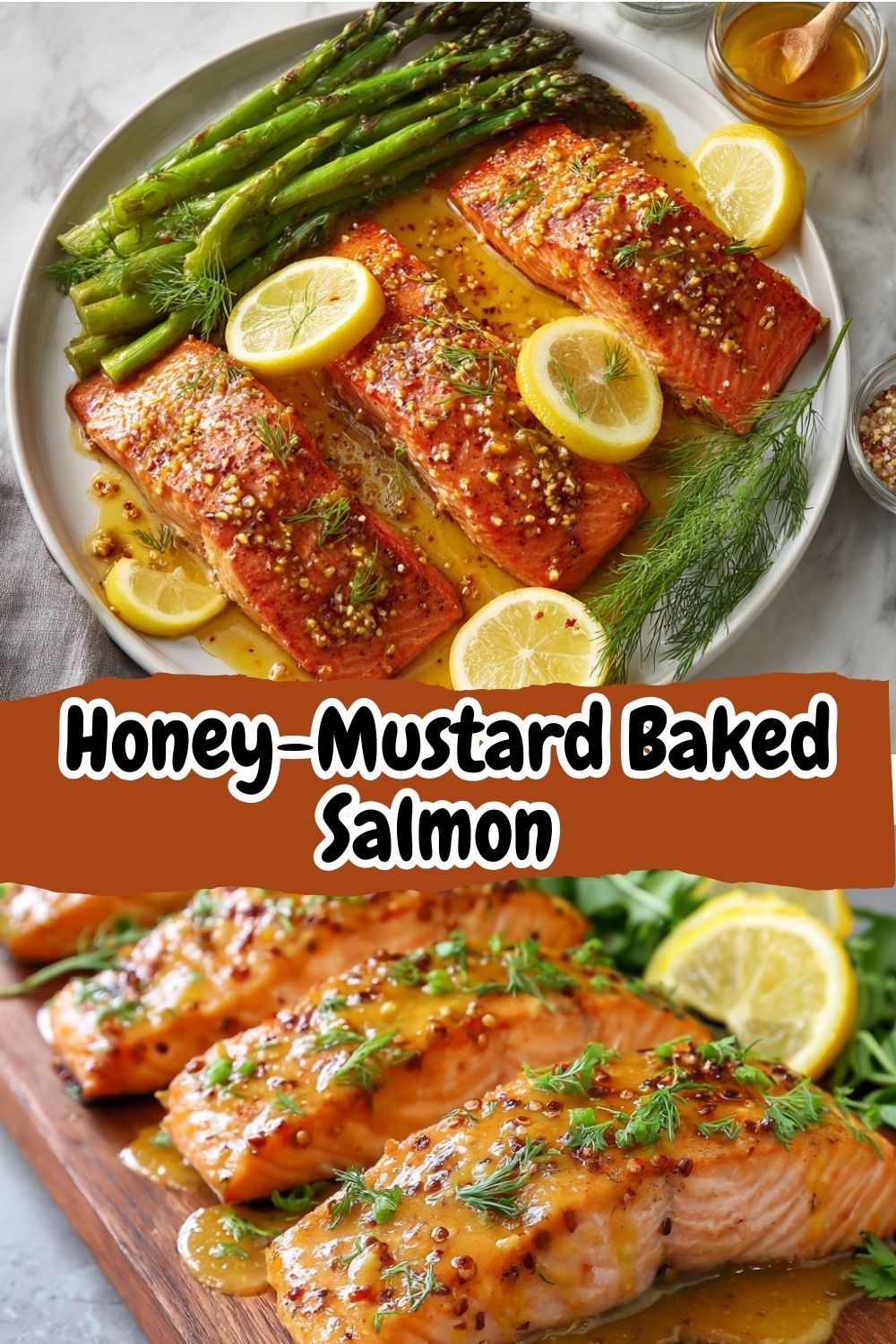
Your Questions, Answered!
Q: Can I use a different type of fish?
A: Absolutely! This glaze is a champion on many proteins. Try it on thick-cut cod, trout, or even chicken breasts or thighs. Adjust the baking time based on the thickness of what you’re cooking.
Q: My glaze is burning before my salmon is cooked. Help!
A: This usually means your oven is running hot or your rack is too high. Next time, try baking at 375°F and skip the broil step. You can also loosely tent the baking sheet with foil for the first 10 minutes of cooking, then remove it to let the glaze set for the last few minutes.
Q: Can I make this ahead of time?
A> You can mix the glaze up to 3 days ahead and keep it in the fridge. But, for the best texture, glaze and bake the salmon just before serving. You can, however, prep your sides ahead to make dinner assembly super quick!
Q: Is it okay if my salmon has that white stuff (albumin) oozing out?
A> Yes, that’s completely normal and safe to eat! It’s a protein that coagulates when the fish is cooked. Cooking at a slightly lower temperature (like 375°F) and not overcooking can minimize it, but a little bit is no cause for alarm and doesn’t affect the fantastic flavor.
Nourishment Info (Because Feeling Good is Part of the Flavor!)
Approximate values per serving (1 fillet, assuming 5oz salmon and using all glaze):
Calories: 300 | Protein: 32g | Healthy Fats (Omega-3s): 16g | Carbohydrates: 7g | Sugar: 6g | Fiber: 0g
This dish is naturally gluten-free, low-carb, and packed with heart-healthy omega-3 fatty acids and high-quality protein.