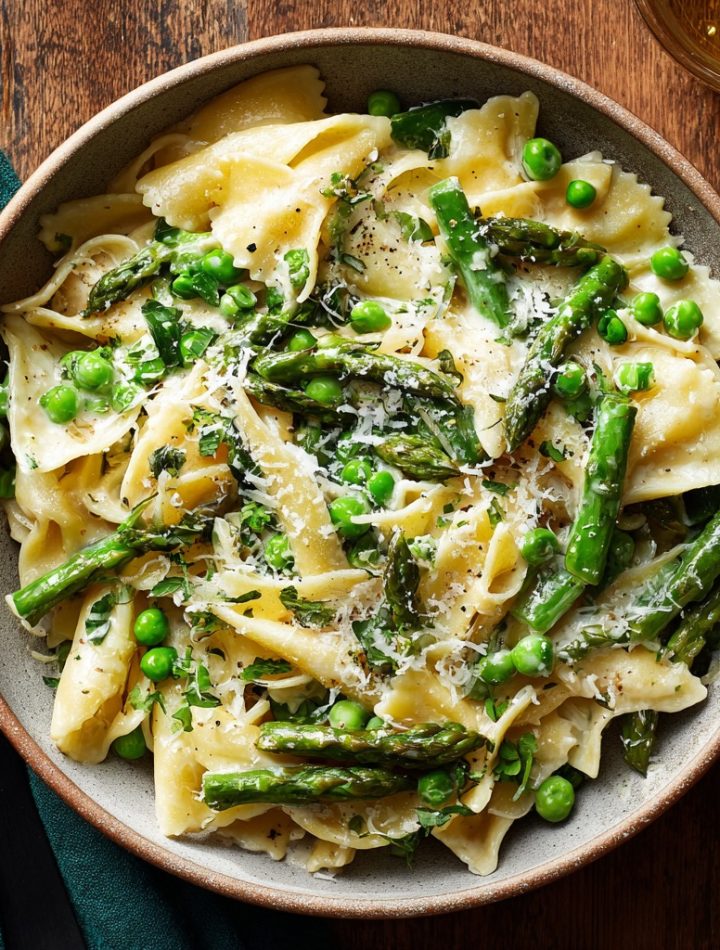
 Creamy Spring Vegetable Pasta – Fresh, Light & Perfect for Easter
Hey there, friend! Isla here, from my kitchen to yours. Can you feel it? That shift in the air, the gentle stretch of daylight, the first tender spears of asparagus peeking out at the market? Spring isn’t just a season; it’s a mood. It’s the culinary equivalent of throwing open all the windows and letting the sunshine pour in. And what better way to celebrate than with a plate of food that tastes exactly like that feeling?
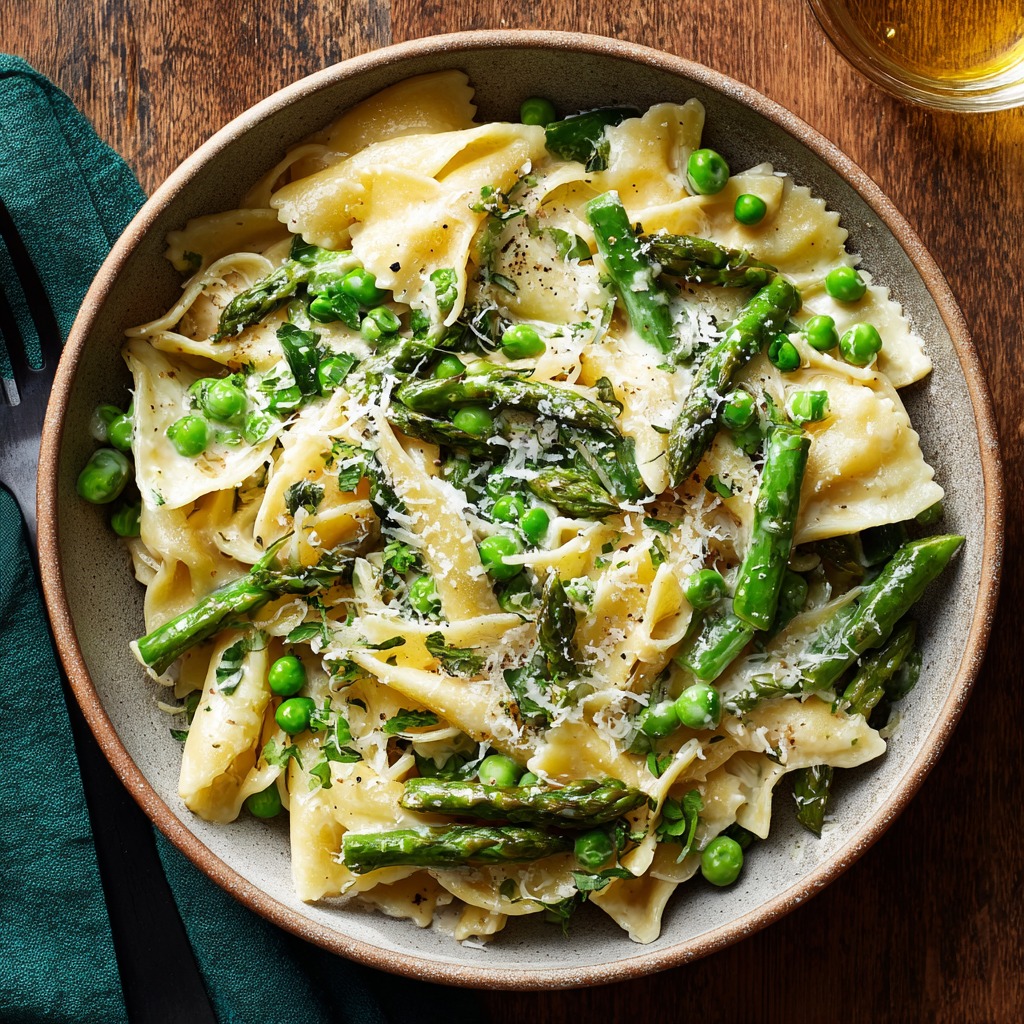
Today, we’re making my Creamy Spring Vegetable Pasta. This isn’t a heavy, hibernation-style pasta. Oh no. This is a pasta that dances. It’s bright, it’s vibrant, and it comes together in the time it takes to boil water and catch up on your favorite podcast. We’re talking tender-crisp asparagus, sweet little pops of peas, all wrapped in a silky, lemon-kissed sauce that clings to every noodle. It’s comfort food, but wearing its favorite spring dress.
Whether you’re planning an Easter brunch centerpiece that’s a welcome break from ham, need a stunningly simple dinner for a busy weeknight, or just want to treat yourself to a bowl of pure, seasonal joy, this recipe is your new best friend. It’s flexible, forgiving, and guaranteed to make you do a little happy dance when you take that first bite. So, grab your favorite pasta pot, and let’s turn these beautiful spring ingredients into a meal you’ll crave all season long.
The Spring Table & My Grandma’s Apron
This recipe always takes me back to my grandma’s kitchen around this time of year. She didn’t have a fancy “farm-to-table” philosophy—she just had a tiny, sun-drenched garden and the firm belief that if it grew together, it went together. After the long, root-vegetable-heavy winter, the first harvest of spring felt like a miracle.
I can still see her, apron dusted with flour, snapping asparagus stems with a crisp snap and letting me shell fresh peas into a big ceramic bowl. The air smelled like wet earth and lemon verbena from her windowsill herb pot. She’d never measure a thing, just a glug of cream from the local dairy, a generous handful of sharp cheese, and always, always the zest of a lemon “to wake it all up,” she’d say. That pasta wasn’t just dinner; it was a celebration of renewal. It was the taste of patience rewarded. Every time I make this dish, I channel a bit of her magic: keep it simple, let the ingredients shine, and always make enough for anyone who might stop by. That’s the true spirit of a spring table.
Print
Creamy Spring Vegetable Pasta : Fresh, Light & Perfect for Easter
- Total Time: 30 minutes
- Yield: 4 servings 1x
- Diet: Vegetarian
Description
This Creamy Spring Vegetable Pasta is a fresh, colorful dish packed with tender veggies, tossed in a light, creamy sauce. It’s the perfect Easter meal—comforting yet bright, easy to make, and full of seasonal flavor.
Ingredients
- 8 oz pasta (penne, farfalle, or fusilli work well)
- 1 tablespoon olive oil
- 1 clove garlic, minced
- 1 cup asparagus, chopped into 1-inch pieces
- 1 cup peas (fresh or frozen)
- 1 cup zucchini, diced
- 1/2 cup baby spinach
- 1/2 cup heavy cream or half-and-half
- 1/4 cup grated Parmesan cheese
- 1 teaspoon lemon zest
- 1 tablespoon lemon juice
- Salt and black pepper, to taste
- Fresh herbs (like basil or parsley), for garnish
Instructions
- Bring a large pot of salted water to a boil and cook the pasta according to package directions. Reserve 1/2 cup pasta water, then drain and set aside.
- In a large skillet, heat olive oil over medium heat. Add garlic and cook until fragrant, about 30 seconds.
- Add asparagus, peas, and zucchini. Cook for 4–5 minutes, until vegetables are tender-crisp.
- Stir in spinach and cook just until wilted.
- Lower the heat and pour in the cream, Parmesan, lemon zest, and lemon juice. Stir until combined and creamy.
- Add the cooked pasta and toss everything together. If the sauce is too thick, add reserved pasta water a little at a time until it’s silky.
- Season with salt and pepper to taste. Garnish with fresh herbs and serve warm.
Notes
- To make it vegetarian, ensure your Parmesan is rennet-free.
- For a lighter version, use half-and-half or a splash of milk with a bit of pasta water.
- Add grilled chicken or shrimp if you’d like more protein.
- Prep Time: 10 minutes
- Cook Time: 20 minutes
- Category: Main Course
- Method: Boiling, Sautéing
- Cuisine: Italian-Inspired
Nutrition
- Serving Size: 1 serving
- Calories: 370
- Sugar: 4g
- Sodium: 250mg
- Fat: 16g
- Saturated Fat: 8g
- Unsaturated Fat: 6g
- Trans Fat: 0g
- Carbohydrates: 46g
- Fiber: 4g
- Protein: 12g
- Cholesterol: 35mg
Keywords: spring pasta, creamy vegetable pasta, Easter dinner, light pasta, seasonal vegetables
Your Flavor Toolkit: What You’ll Need
Here’s everything to grab for this bright and beautiful pasta. I’ve included my favorite chef-y insights and swaps so you can make this dish your own, no matter what’s in your fridge!
- 8 oz pasta (bowtie, penne, or orecchiette): The shape matters! I love bowties (farfalle) or orecchiette (“little ears”) because they catch the peas and creamy sauce in their nooks and crannies. Penne is a fantastic, always-available workhorse.
- 1 cup asparagus, chopped into 1-inch pieces: Look for bright green, firm spears with tight tips. That satisfying snap at the woody end is your guide to freshness. No asparagus? Try chopped broccoli florets or sliced zucchini.
- ¾ cup peas (fresh or frozen): Frozen peas are the ultimate kitchen hero—they’re picked and frozen at peak sweetness. No need to thaw! If using fresh, they’ll need just a quick blanch.
- 1 tbsp olive oil or butter: Butter adds a lovely, rich depth, while olive oil keeps it light and brings a fruity note. Can’t decide? Use a bit of both!
- 2 cloves garlic, minced: The aromatic foundation. Please, for the love of flavor, use fresh garlic here. That pre-minced stuff in a jar just won’t sing the same spring song.
- ½ cup cream OR plain Greek yogurt: Here’s your major choice point! Heavy cream gives you a luxuriously silky, classic sauce. Plain, full-fat Greek yogurt creates a tangy, lighter, protein-packed sauce that’s equally delicious and feels a bit brighter. Both are winners.
- ⅓ cup grated parmesan: Freshly grated is key! The pre-grated stuff often contains anti-caking agents that can make your sauce grainy. It’s worth the extra 30 seconds of grating, I promise.
- Zest of 1 lemon (optional but highly recommended): This is the secret weapon, the “wake it up” element my grandma taught me. It adds a sparkle of citrus fragrance without any sharp acidity. Don’t skip it if you can help it!
- Salt and pepper to taste: Season in layers—a pinch in the pasta water, another in the sauce. Taste and adjust at the end.
- Optional: fresh basil or parsley for garnish: A sprinkle of green confetti for color and a fresh, herbal finish. Chives or mint would also be gorgeous here.
Let’s Cook! Step-by-Step to Pasta Perfection
Ready to whip up some magic? Follow these steps, and don’t forget to read my little chef hacks nestled in between—they’re the kind of tips I share with friends over a glass of wine while we cook.
-
Step 1: The Pasta & Veggie Pot
Bring a large pot of well-salted water to a rolling boil. Salty like the sea! This is your one chance to season the pasta itself. Cook your pasta according to the package directions for al dente. Now, here’s the genius hack: About 2-3 minutes before the pasta is done, add your chopped asparagus and peas right into the boiling water. You’re blanching the veggies and cooking the pasta all in one pot! It saves time, dishes, and the vibrant green color locks in perfectly. Drain everything together, but crucially—RESERVE ABOUT ½ CUP OF THAT STARCHY PASTA WATER. This liquid gold is key to making our sauce silky and cohesive.
-
Step 2: Sizzle the Aromatics
While the pasta cooks, place a large skillet over medium heat. Add your olive oil or butter. Once it’s shimmering (or the butter is foaming slightly), add the minced garlic. Sauté for just 30 seconds to 1 minute until it becomes fragrant. We want it golden and happy, not brown and bitter! This quick step builds a flavor base that infuses the entire dish.
-
Step 3: Create the Creamy Dream
Lower the heat to medium-low. To the garlicky pan, add your choice of cream or Greek yogurt, the grated parmesan, and the lemon zest. Season with a good pinch of salt and pepper. If using Greek yogurt, take it off the heat first and let the pan cool for a minute before stirring it in to prevent curdling. Whisk or stir until you have a beautiful, creamy, homogenous sauce. It might look a little thick at this stage—that’s perfect! The pasta water will loosen it up.
-
Step 4: The Grand Union
Add the drained pasta and veggies directly into the skillet with the sauce. Using tongs or a big spoon, toss and stir with gusto until every noodle and vegetable is gloriously coated. Now, grab that reserved pasta water. Start by adding a few tablespoons and tossing. The sauce will loosen, become glossy, and cling to the pasta. Add a little more if you like it saucier. This is where you become the boss of your own dinner—adjust to your perfect consistency.
-
Step 5: Taste & Triumph
Do the most important step: TASTE. Does it need another pinch of salt? A crack more black pepper? Maybe another sprinkle of parmesan? This is your moment to make it sing. Once it’s perfect to you, remove from the heat.
Plating Your Spring Masterpiece
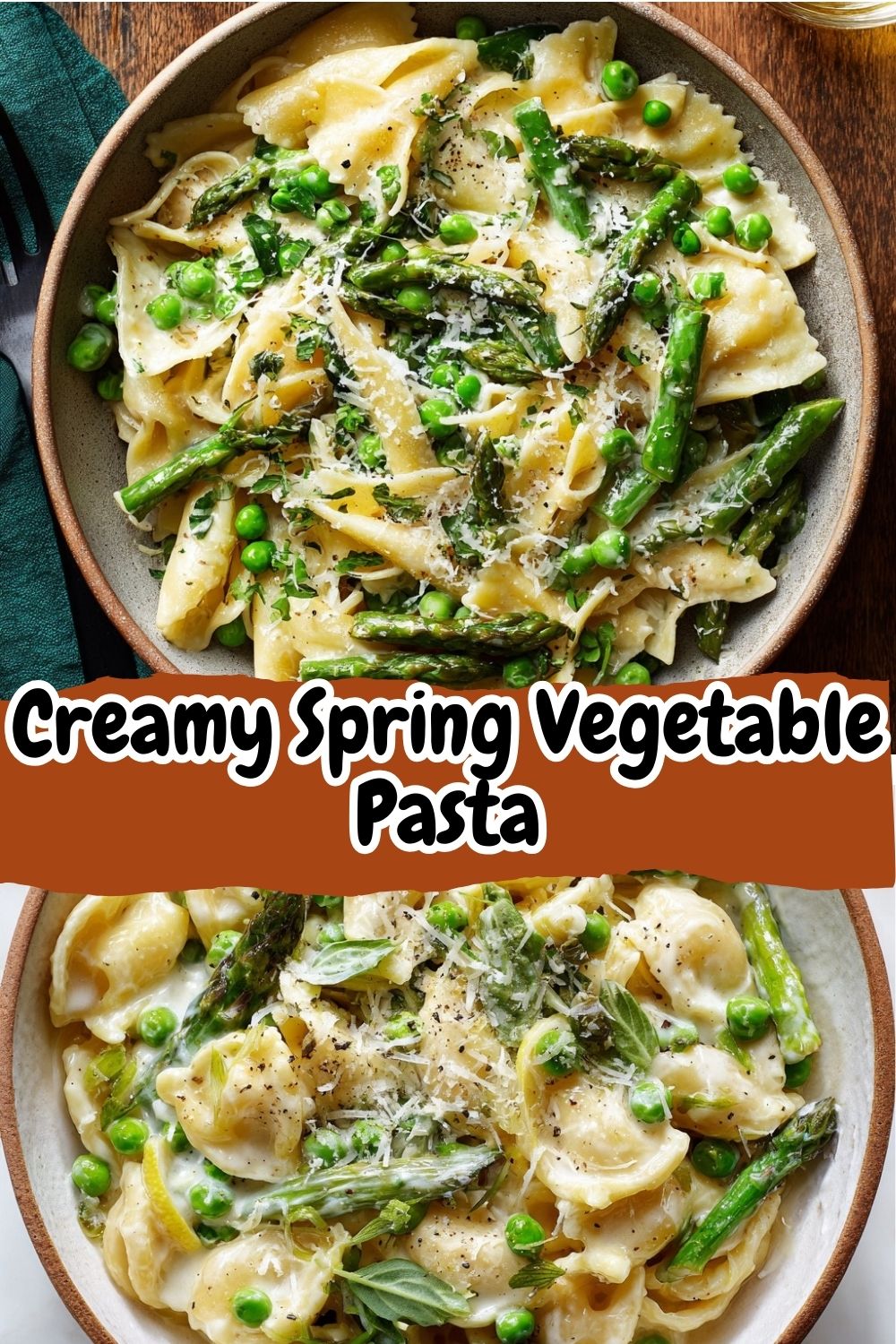
I love serving this pasta family-style, right out of the warm skillet at the center of the table. It feels inviting and casual. Use a pair of tongs to lift and twist the pasta into shallow bowls, making sure everyone gets plenty of those colorful veggies. Finish with a final flourish: a shower of fresh chopped basil or parsley, an extra grating of parmesan, and perhaps a tiny extra pinch of lemon zest for that wow-factor fragrance. Serve immediately while it’s beautifully warm and creamy. A simple green salad with a lemony vinaigrette and a crusty loaf of bread to soak up any extra sauce are the only companions this star needs.
Make It Your Own: Delicious Twists
The beauty of this recipe is its canvas-like quality. Ride your own flavor wave with these easy swaps:
- Protein Power: Add sautéed shrimp, shredded rotisserie chicken, or flaked salmon in Step 4 for a heartier meal.
- Vegan Vibes: Use olive oil, swap the cream for ½ cup of cashew cream or full-fat coconut milk, and use a hearty sprinkle of nutritional yeast instead of parmesan. Divine!
- Herb Garden Explosion: Stir in a handful of other soft herbs with the basil—try dill, tarragon, or chives for a different personality.
- Lemony Heaven: Add a tablespoon of fresh lemon juice along with the zest for a brighter, more pronounced citrus kick.
- Spring All-Stars: Swap or add other spring veggies: thinly sliced radishes for crunch, chopped artichoke hearts, or a handful of baby spinach wilted in at the end.
Isla’s Kitchen Notes & Stories
This recipe has been a staple in my spring rotation for years, and it’s evolved from a decadent cream-and-butter affair to the lighter, yogurt-friendly version I often make today. One of my favorite kitchen memories is the first time I tried the Greek yogurt swap—I was skeptical, but one taste and I was hooked! It’s now my go-to for a weeknight feel-good meal.
A funny truth: I always forget to reserve the pasta water. Without fail, I’ll drain the pasta, look at the empty pot, and go “NO!” So now, I place my measuring cup right in the colander in the sink as a visual reminder. If you forget too, don’t panic! Just use a splash of warm regular water or even a bit of broth. It won’t be quite as silky, but it’ll still be delicious. Cooking is about grace, not perfection. The most important ingredient is always the joy you stir into it.
Your Questions, Answered
My sauce with Greek yogurt looks curdled! What did I do wrong?
Don’t worry, this is common and fixable! Yogurt can curdle if it’s shocked by very high heat. The key is to take the skillet off the heat and let it cool for a minute before stirring in the yogurt. Also, make sure you’re using full-fat Greek yogurt—it’s much more stable. If it does separate a bit, a vigorous whisking with a splash of that reserved pasta water will often bring it right back together.
Can I make this ahead of time for a dinner party?
You can do some prep! Chop the veggies and make the sauce base (hold the pasta water) a few hours ahead. Store separately. When ready to serve, cook the pasta and veggies, re-warm the sauce gently, and combine everything with a splash of hot water to loosen. It’s best fresh, but this “mise en place” method gets you 90% of the way there stress-free.
What’s the best pasta shape for this recipe?
You want shapes that grab and hold the sauce and little veggies. My top three are Orecchiette (little cups), Farfalle (bowties with nooks), and Cavatappi (corkscrews). Penne, rigatoni, or shells also work beautifully. Avoid super-smooth shapes like spaghetti or angel hair for this particular dish.